
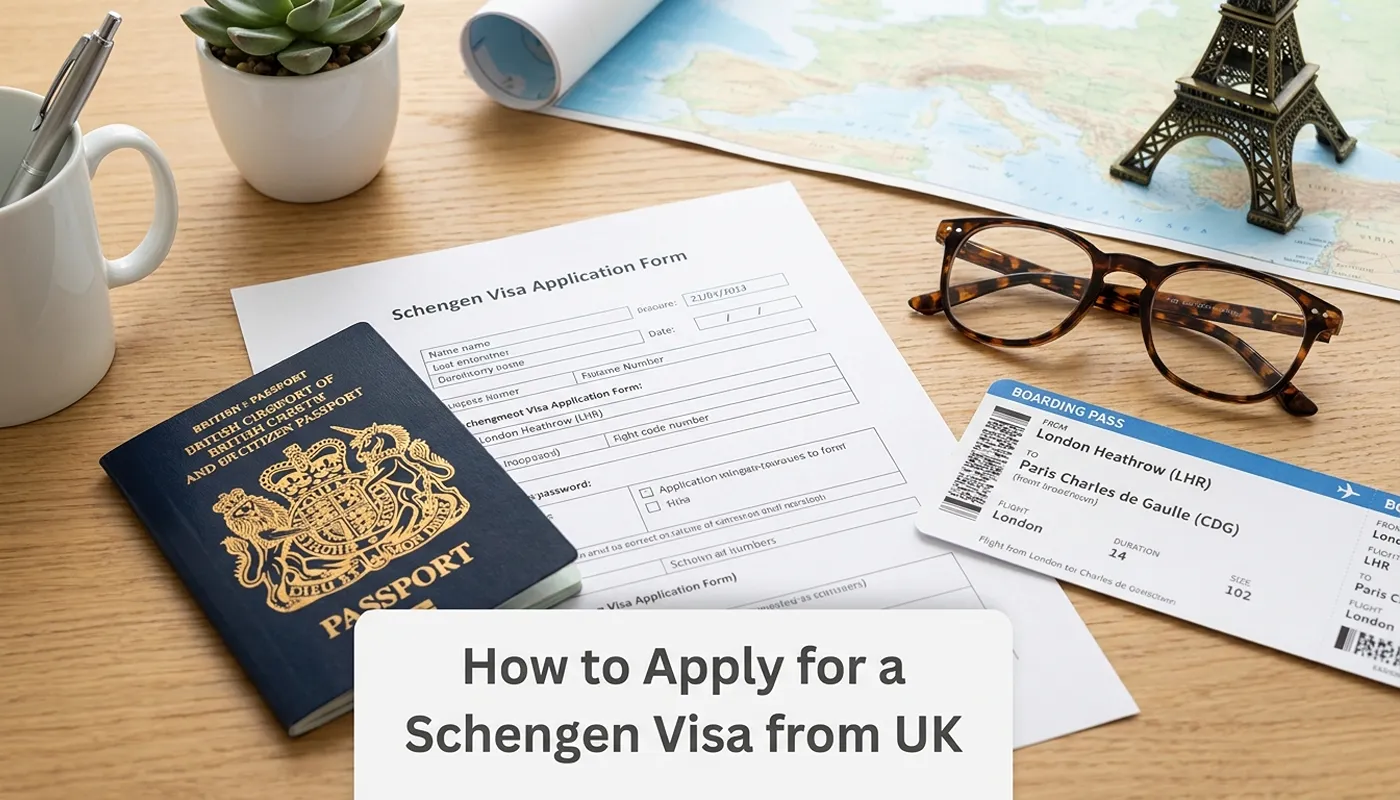
Navigating the complexities of international travel can be daunting, especially when it involves visa applications. This comprehensive guide is specifically designed for UK residents who hold non-British passports and wish to travel to the Schengen Area.
While British citizens enjoy visa-free travel for short stays, many other nationalities residing in the UK will need a Schengen visa.
Our aim is to demystify the application process, helping you avoid common pitfalls, as most rejections stem from incomplete or incorrect documentation rather than a lack of eligibility.
Whether a visa is required depends entirely on your nationality. For many nationals living in the UK who are legally resident in the UK but hold a non-British passport, a Schengen visa from the UK is a mandatory step before travel.
Do You Need a Visa for Schengen Travel? Countries That Are Part of the Schengen Area

For residents of the United Kingdom who are not British citizens, determining if you need a Schengen visa is the critical first step before planning any travel to the Schengen Area.
This guide is tailored for individuals such as work visa holders, those with a Biometric Residence Permit (BRP), international students, or any other non-British nationals residing in the UK whose passport does not grant them visa-exempt status for short stays within the Schengen zone.
Understanding your specific visa requirements is paramount to a smooth application process and successful entry into the 29 Schengen countries.
Determining whether a visa is required starts with checking your passport’s status, since not every nationality living in the UK will need a visa to enter the Schengen Area.
If your nationality does require one, a Schengen visa is required before you travel, and this applies even if you only need a visa for short trips of a few days.
Starting your Schengen application early gives you the best chance of getting a Schengen visa without unnecessary delays.
Who This Applies To
This guide primarily applies to UK residents who hold non-British passports, including individuals on various UK visas such as work visas, student visas, or family permits, all of whom possess a valid Biometric Residence Permit (BRP).
If your nationality requires you to obtain a short-stay visa to enter the Schengen Area, then this comprehensive guide is for you. These individuals will need to apply for a Schengen visa from the UK to facilitate their travel to any of the Schengen states, ensuring their journey aligns with the Schengen Visa Code.
This guide is written specifically for nationals living in the UK who are legally resident in the UK on a valid visa, BRP, or other immigration status, but whose passport does not carry Schengen visa-exempt status.
Visa-Exempt Categories
British citizens, along with nationals from a host of other countries, are currently visa-exempt for short stays of up to 90 days within any 180-day period when traveling to the Schengen Area.
These individuals do not require a Schengen visa for tourism, business, or family visits. However, it is crucial to verify your specific nationality’s visa policy, as exemption status can vary, and this guide is primarily for those who need a Schengen visa to enter the Schengen Area.
Visa-exempt travellers can enter the Schengen area without a visa for tourism or business purposes, though this exemption only covers short stays within the Schengen Area itself.
Travel to destinations outside the Schengen area, including neighbouring European countries that aren’t part of the Schengen area, follows separate entry rules.
Upcoming ETIAS Changes
While many nationalities currently enjoy visa-exempt travel to the Schengen Area, it is important to note the upcoming launch of the European Travel Information and Authorisation System (ETIAS), anticipated in late 2026.
ETIAS is not a visa but a separate electronic travel authorization system that will be mandatory for visa-exempt travelers. This means that while certain nationalities will not require a traditional Schengen visa, they will still need to obtain ETIAS authorization before their travel to the Schengen Area.
ETIAS will not replace the Schengen visa for nationalities who currently require one.
It only applies to visa-exempt travellers, and will work alongside the EU’s new Visa Information System, which stores biometric and application data for travellers to the Schengen Area.
Schengen Visa from the UK: Which Country Should You Apply To?
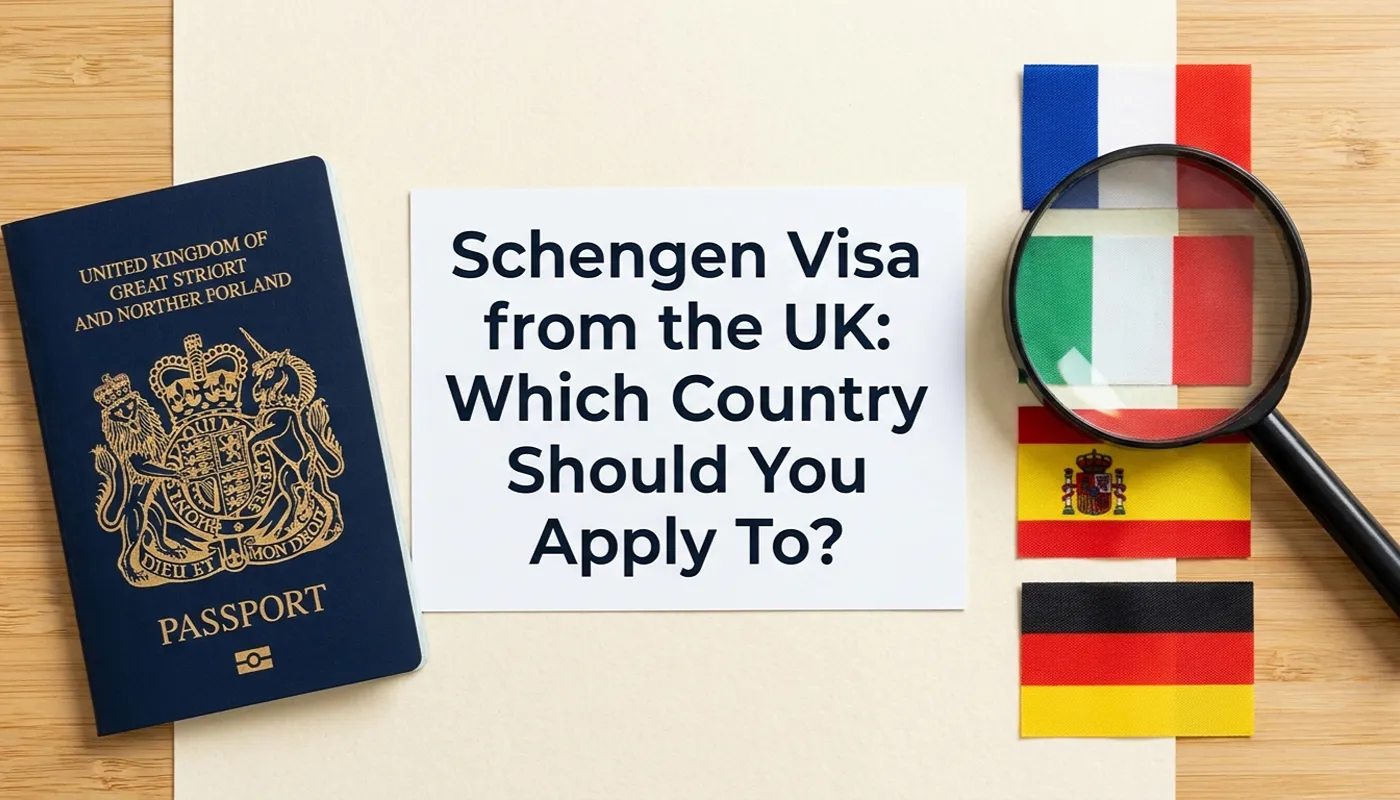
One of the most frequent points of confusion for those looking to apply for a Schengen visa from the UK is determining which specific Schengen country’s consulate or visa application center they should submit their application to.
The Schengen Visa Code dictates clear rules for this, and adhering to them is crucial to avoid delays or rejection of your Schengen visa application.
Proper identification of your main destination or first point of entry is key to a successful application process. If your trip covers several Schengen countries, you must apply through the correct consulate based on where you’ll spend the most time.
Get this wrong and even a well-documented Schengen visa application can be rejected on a technicality.
Main Destination Rule Explained
The “main destination rule” is the primary principle governing which Schengen state you should apply to for your visa. If your travel plans involve visiting multiple Schengen countries, you must apply for your Schengen visa at the consulate or visa application center of the country where you intend to spend the longest duration of your trip.
This criterion is vital when you apply for a Schengen visa, as it ensures your application is processed by the correct Schengen consulate, streamlining your short-stay Schengen visa application process.
This is calculated by comparing the number of nights spent in the Schengen area for each country on your route, not simply the order you visit them in.
Country of First Entry
If your itinerary does not clearly indicate a main destination, meaning you plan to spend an equal amount of time in two or more Schengen countries, then the “country of first entry” rule applies. In this scenario, you should submit your Schengen visa application to the consulate or visa application center of the Schengen state you will enter first.
This fallback rule is essential for those with complex travel plans to multiple Schengen countries, ensuring you correctly apply for a visa.
Applicants who may apply under either rule should double check with the specific consulate, since interpretation can vary slightly by country when you apply from the UK.
Common Confusions
The rules regarding which Schengen country to apply to often lead to common confusions, potentially causing applicants to submit their Schengen visa application to the wrong embassy or visa center. Misinterpreting the “main destination rule” or the “country of first entry” can result in your application from the UK being rejected or significantly delayed.
It is crucial to carefully review your itinerary and confirm the correct Schengen consulate to approach for your short-stay visa to ensure a smooth application process. Your Schengen application should always list the correct consulate to avoid being redirected mid-process.
Types of Schengen Visa and What They Allow for Travel to the Schengen Area

Not every Schengen visa is the same. A single-entry visa allows one trip into the Schengen Area and expires once you leave, even if the visa itself hasn’t expired yet. A multiple-entry visa allows repeated trips across the Schengen Area within its validity window, which is useful if you travel to Europe several times a year.
Holding a valid Schengen visa, whichever type you’re issued, means a Schengen visa allows the holder to travel within the Schengen Area for the number of days stated on the visa sticker, not indefinitely. A Schengen visa is a short-stay visa.
It is not a long-stay visa or a national visa or residence permit, so it never grants the right to live or work in a Schengen country.
Documents and Schengen Visa Requirements: What You Need to Apply for a Visa
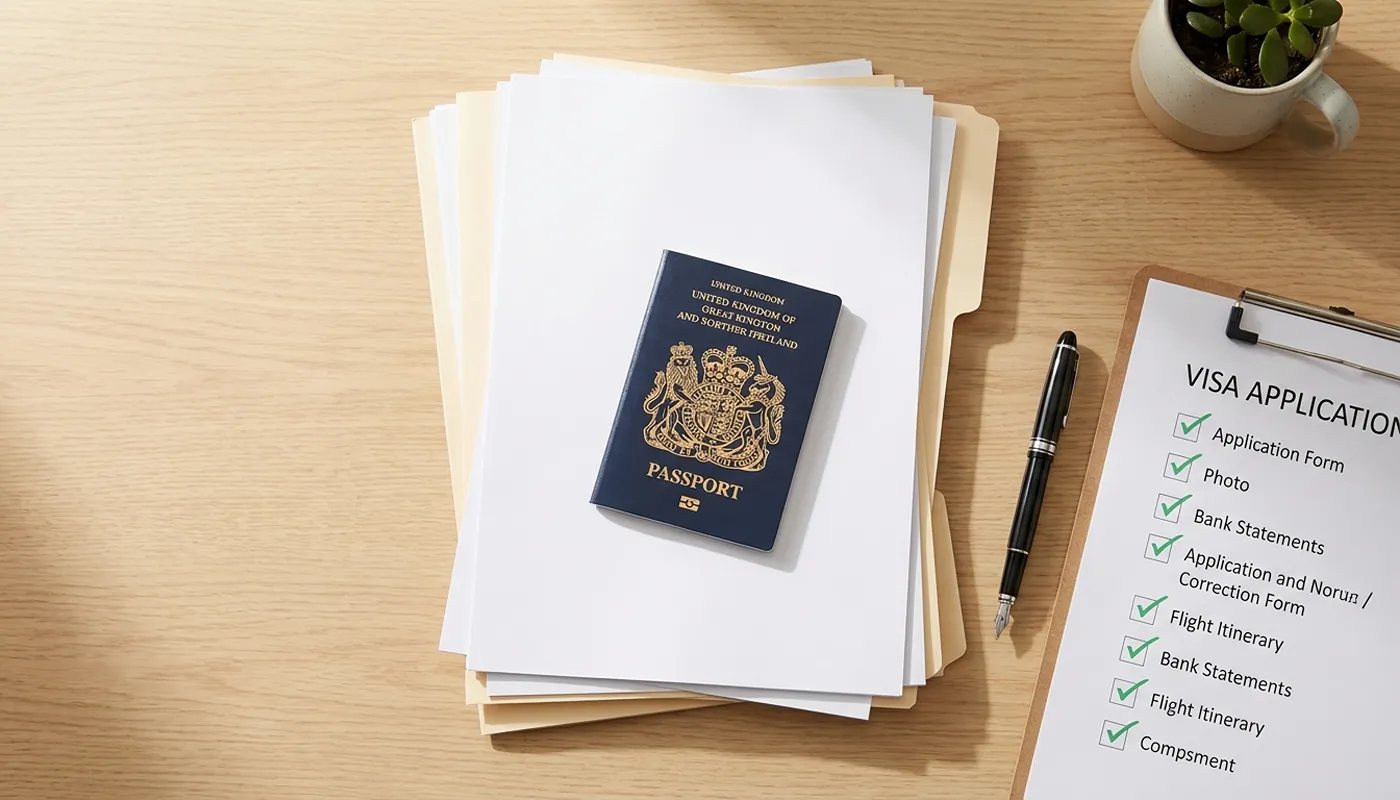
Gathering the correct documentation is arguably the most critical part of your Schengen visa application. Missing even a single required document can lead to delays or outright rejection of your visa, underscoring the importance of meticulous preparation.
Each Schengen state, while adhering to the Schengen Visa Code, may have subtle variations in their specific visa requirements, so it is vital to consult the official checklist provided by the consulate or visa application center you are applying through.
Schengen visa requirements are broadly consistent across consulates, but you’ll still need to submit your application alongside the standard checklist.
Core Documents
For your Schengen visa application, you will need a valid passport that remains valid for at least three months beyond your intended departure from the Schengen Area, and it must contain at least two blank pages for the visa stamp. You must also complete the C visa application form accurately and legibly.
Additionally, two recent biometric photos, sized 35mm x 40mm, that meet international standards are required to be submitted with your application.
Proof of UK Residence
A fundamental requirement for any Schengen visa application from the UK is providing robust proof of your legal residence.
This typically involves submitting your valid UK residence permit or Biometric Residence Permit (BRP) as evidence of lawful UK residence, which must have at least three months of validity remaining beyond your planned return date from the Schengen Area.
Failure to meet this crucial validity period is a common and easily avoidable reason for a visa application to be rejected, highlighting its importance.
Financial and Travel Documents
To demonstrate your ability to financially support yourself during your stay in the Schengen Area, you will need to provide official bank statements from the last three months, preferably stamped by your bank, showing sufficient funds (approximately £70-100 per day of travel).
Comprehensive travel insurance, with a minimum medical coverage of €30,000 and valid across the entire Schengen Area for your full trip duration, is mandatory.
Additionally, confirmed flight reservations and hotel bookings for your entire stay must be submitted to support your Schengen visa application. In addition to the visa fee, be prepared to cover courier or service charges if you choose expedited document return.
Supporting Documents
Alongside the core requirements, various supporting documents help substantiate the purpose of your travel and your intention to return to the UK.
If employed, an employment letter from your employer or recent payslips are essential. A cover letter explaining the purpose of your visit, your itinerary, and your travel dates will provide clarity to the visa officers.
These documents strengthen your Schengen visa application and help to assure the authorities of your legitimate travel intentions.
Missing even one document from this list is the single most common reason applications get delayed or refused.
If you’d rather not risk it, Tripzo checks your full document set against your destination country’s exact requirements before you submit, catching gaps while there’s still time to fix them.
Purpose-Specific Extras
Depending on the specific reason for your travel to the Schengen Area, additional documents may be required for your Schengen visa application. For business trips, an invitation letter from the host company in the Schengen state detailing the purpose and duration of your visit is crucial.
Minors traveling alone or with one parent will need parental consent forms. Copies of any previous Schengen visas can also be beneficial, providing a history of compliant travel to the Schengen Area.
Step-by-Step Schengen Visa Application Process and Visa Fee
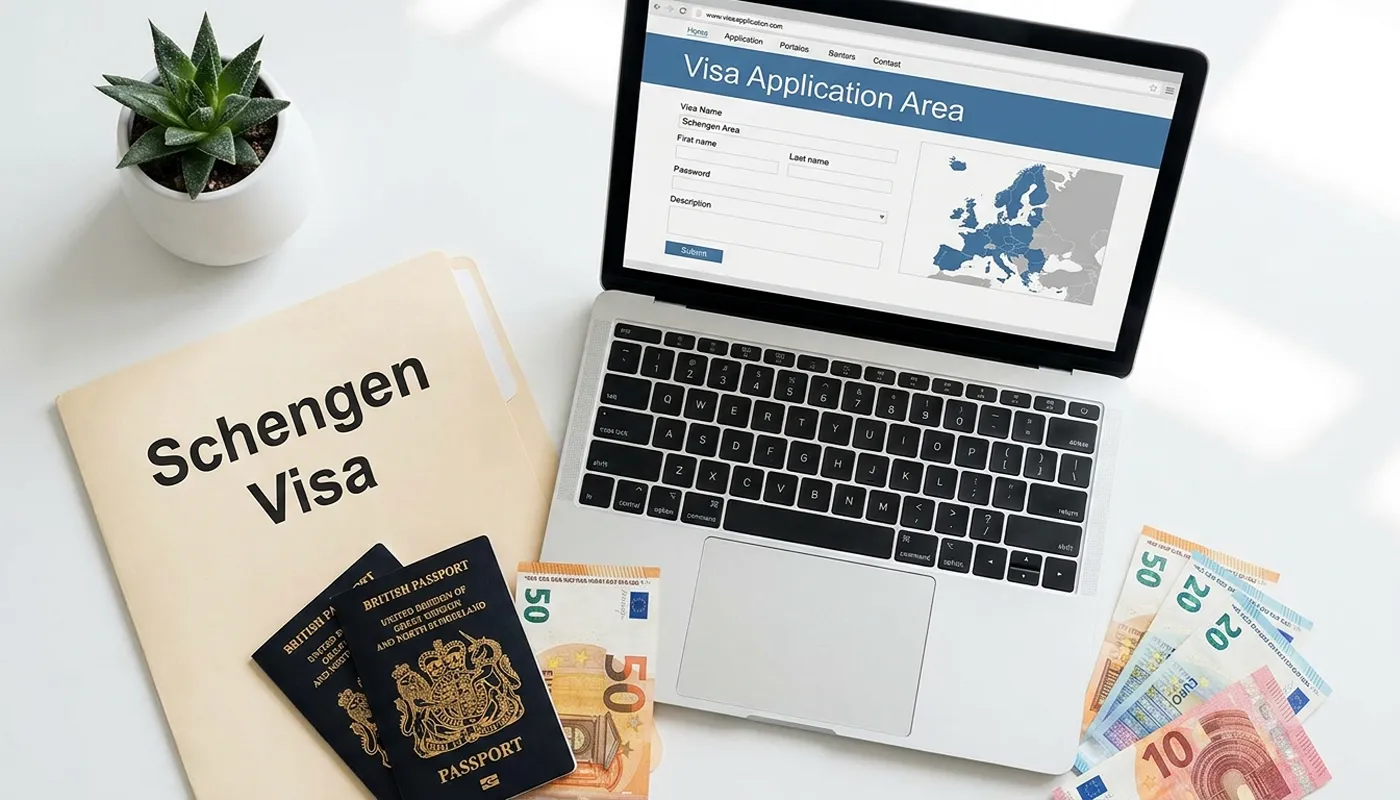
The process of applying for a Schengen visa from the UK, while structured, requires careful attention to detail at each stage to ensure a successful outcome.
Following these steps systematically will help you navigate the visa application process efficiently and reduce the likelihood of encountering common pitfalls.
Understanding each phase, from confirming your destination to collecting your passport, is key to securing your short-stay visa for the Schengen Area.
Step 1: Confirm Your Destination Country
The initial and most crucial step in your Schengen visa application process is to definitively confirm your main destination country within the Schengen Area.
As per the Schengen Visa Code, this dictates which specific embassy or visa application center you must apply through from the UK.
Carefully review your travel itinerary to identify where you will spend the most time, or if equal, your first point of entry into the Schengen Area, ensuring your application is directed to the correct Schengen state.
Step 2: Gather and Verify Your Documents
Once your destination country is confirmed, the next vital step is to meticulously gather and verify all required documents for your Schengen visa application.
This includes ensuring your passport has sufficient validity and blank pages, and that your UK residence permit or Biometric Residence Permit (BRP) meets the minimum validity period beyond your return date.
Pay particular attention to financial proofs, such as bank statements, which often need to be officially stamped by your bank to be accepted by the visa application center.
Step 3: Complete the Online Application Form
With your documents in hand, proceed to complete the online C visa application form, which is typically available through the website of the relevant Schengen consulate or visa application center (such as VFS Global, TLScontact, or BLS International).
Fill out every section accurately and truthfully, as any discrepancies can lead to delays or even rejection of your Schengen visa. Ensure all personal details, travel dates, and purpose of visit align precisely with your supporting documentation.
Some applicants choose to use a visa service to handle this step on their behalf, particularly if English isn’t their first language, though you can submit your visa application yourself directly through the official portal at no extra cost.
Step 4: Book Your Visa Appointment
After completing the application form, the next critical step is to book your visa appointment at the designated visa application center.
Depending on your chosen Schengen state, this will likely be with a third-party service provider like VFS Global or TLScontact.
It’s often advisable to check availability at centers outside London, such as Manchester or Edinburgh, as these can sometimes offer faster appointment slots for your Schengen visa application from the UK, streamlining your application process.
Step 5: Attend Your Appointment
On the day of your scheduled visa appointment, ensure you arrive on time at the visa application center with all your original documents and their photocopies.
During this appointment, your biometric data (fingerprints and a digital photograph) will be collected, and you will formally submit your complete Schengen visa application.
This is also when you will pay the applicable visa fee, so be prepared to make the payment according to the center’s accepted methods.
Completing this appointment properly is what allows you to receive your Schengen visa before travelling, so double-check every document is in order before you leave.
Step 6: Track Your Application
Once your appointment is concluded and your application submitted, you will typically receive a reference number allowing you to track the progress of your Schengen visa application online.
Visa processing times can vary between 10 to 15 working days, but some applications may take longer, especially during peak travel seasons. It is essential to monitor your application’s status regularly to stay informed about any updates regarding your short-stay visa.
Once approved, plan your travel from the UK carefully. You’ll need to enter and complete your trip within the Schengen area before the visa expires, based on the validity dates printed on the sticker.
Step 7: Collect Your Passport and Visa
The final step in the Schengen visa application process is to collect your passport once a decision has been made. You will usually be notified by email or SMS when your passport is ready for collection at the visa application center, or it may be returned to you via courier if you opted for that service.
Upon receiving your passport, immediately check your visa sticker to ensure all details, such as validity dates and the type of visa, are correct for your Schengen travel.
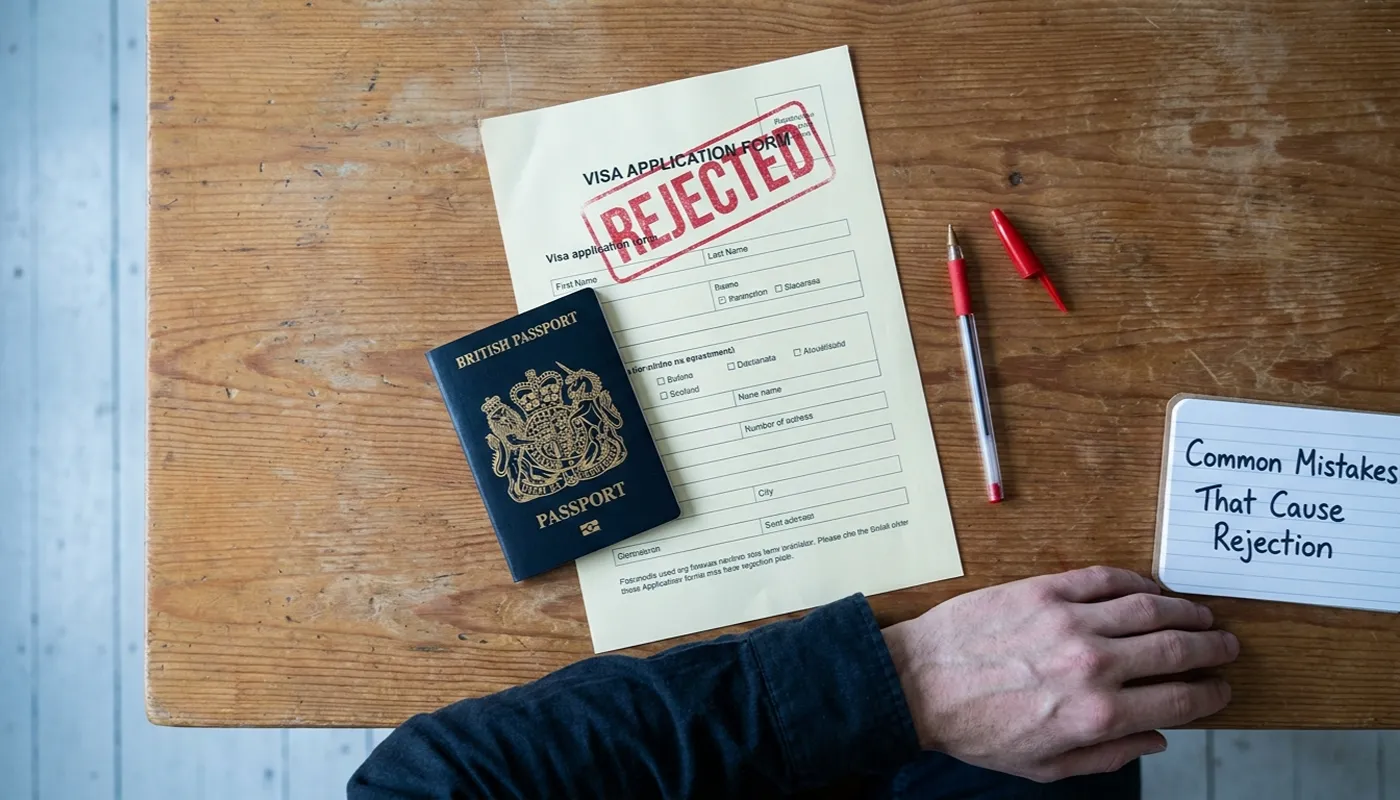
Common Mistakes That Cause Rejection
Expired eVisa Share Codes
One common mistake that can lead to the rejection of a Schengen visa application from the UK is providing expired eVisa share codes, particularly for those on digital UK visas.
Immigration authorities use these codes to verify your legal status in the UK.
If the share code has expired or is invalid at the time of your Schengen visa application, the visa center cannot confirm your residence status, potentially leading to your application being refused due to insufficient proof of UK residence.
Unstamped Bank Statements
Another frequent reason for a Schengen visa rejection is the submission of unstamped bank statements.
While online bank statements are convenient, many Schengen consulates and visa application centers, especially those operating through VFS Global or TLScontact, require bank statements to be officially stamped by your bank.
This stamping verifies the authenticity of the financial documents, which are crucial for proving you have sufficient funds to cover your travel to the Schengen Area.
BRP Expiry Issues
A significant and easily avoidable mistake that causes Schengen visa rejection relates to the validity of your Biometric Residence Permit (BRP).
Your BRP must be valid for at least three months beyond your intended return date from the Schengen Area. If your BRP is set to expire too soon after your planned departure from the Schengen Area, it signals to visa officers that you might not have a strong incentive to leave the Schengen Area, leading to the refusal of your short-stay visa.
How Tripzo’s Visa Service Makes This Process Easier

Applying for a Schengen visa from the UK involves a lot of moving parts: choosing the right country, assembling a stamped, consistent document set, and booking an appointment before slots disappear.
Tripzo handles all three.
We review your documents against your destination country’s requirements, prepare your application to reduce rejection risk, and manage your appointment booking directly, including checking availability at Manchester and Edinburgh, not just London.
Get a Free Visa Assessment
Get in touch for a free visa assessment and let us take the guesswork out of your application.
Request your free visa assessment here.
Frequently Asked Questions
Do British Citizens Need a Schengen Visa?
British citizens do not need a Schengen visa for short stays of up to 90 days within any 180-day period when traveling to the Schengen Area for tourism, business, or family visits. This visa exemption allows for smooth travel to any of the 29 Schengen countries without undergoing the Schengen visa application process. However, it is important to remember that the upcoming ETIAS system, anticipated in late 2026, will require visa-exempt travelers to obtain an electronic travel authorization.
How Far in Advance Can I Apply for a Schengen Visa?
You can apply for a Schengen visa up to six months before your intended travel date to the Schengen Area. It is generally advisable to submit your Schengen visa application well in advance, especially during peak travel seasons, to allow sufficient time for visa processing. This proactive approach helps avoid any last-minute stress or potential delays that could impact your travel plans and ensures you have your valid Schengen visa before your departure from the UK.
What Happens If My BRP Expires Soon After My Trip?
If your Biometric Residence Permit (BRP) expires soon after your planned return date from the Schengen Area, your Schengen visa application is highly likely to be rejected. The Schengen Visa Code typically requires that your UK residence permit or BRP remains valid for at least three months beyond your intended departure from the Schengen Area. This requirement assures the Schengen state that you have a legal right to return to the UK after your short-stay visa expires.
Can I Apply If I’m Visiting Multiple Schengen Countries?
Yes, you can apply for a Schengen visa if you are visiting multiple Schengen countries. The key is to determine the correct Schengen state to apply to based on the “main destination rule” or, if applicable, the “country of first entry.” If you plan to spend the most time in one Schengen country, you apply to that country’s consulate or visa application center. If your stays are of equal length, you apply to the consulate of the first Schengen country you will enter.
How Long Does a UK Schengen Visa Application Take?
The processing time for a Schengen visa application from the UK typically takes between 10 to 15 working days from the date of your appointment at the visa application center. However, this is an estimate, and processing times can vary depending on the specific Schengen consulate, the volume of applications, and the complexity of your case. It is always recommended to apply for a visa well in advance of your planned travel to the Schengen Area to account for any potential delays.
What Happens If My Schengen Visa Application Has Been Refused?
If your Schengen visa application has been refused, the refusal letter will state the reason. In most cases you can reapply with corrected or additional documents, or lodge a formal appeal depending on the consulate’s process.
Editorial Verification Guarantee
Every guide published on Tripzo is cross referenced against sovereign European consular policies, VFS Global protocols, and the official Schengen Borders Code. We update instructions regularly to protect UK applicants from avoidable administrative refusals.
Direct Support Line
Have an urgent question regarding your upcoming appointment date or document validity?
