

If you live in the UK on a non-British passport and Spain is your main destination, you apply for a Spanish Schengen visa through BLS International. BLS takes your documents, fingerprints and fee; the Spanish consulate decides the visa. This guide covers who needs the visa, how BLS centre jurisdiction works, the document list, how much money Spain expects you to show, and the mistakes that most often lead to refusal.
Written by James Cornor of the Tripzo visa application team. Fact-checked on 30 October 2026 against the official sources linked in each section. Questions or corrections: contact us · About Tripzo.
Table of Contents
Key Takeaways
- Apply to Spain only if Spain is your main destination, and only at the BLS centre that serves the area where you live.
- Spain’s 2026 funds reference is €122.10 per person per day, with a minimum of €1,098.90 whatever the trip length. Guides quoting €100 a day use an older minimum wage.
- The visa fee is €90 for adults and €45 for children aged 6 to 11, plus a BLS service fee.
- Apply between 6 months and 15 days before travel. Decisions normally take up to 15 calendar days, or up to 45 days with extra checks.
Who needs a Spain Schengen visa from the UK
British citizens do not need a visa for short trips to Spain of up to 90 days in any 180-day period, according to the UK government’s Spain entry requirements. The EU travel authorisation ETIAS is not yet operating. The official ETIAS page says its start date will be announced in advance.
You need a visa if you live in the UK and hold a passport from a country whose citizens need a Schengen visa. Examples include India, Pakistan, Nigeria, Bangladesh, the Philippines and China. Your UK immigration status does not change this. Indefinite leave to remain or a work visa lets you live in Britain, but it is not a travel document for Europe. The passport you travel on decides whether Spain requires a visa; the ILR holders guide covers that case.
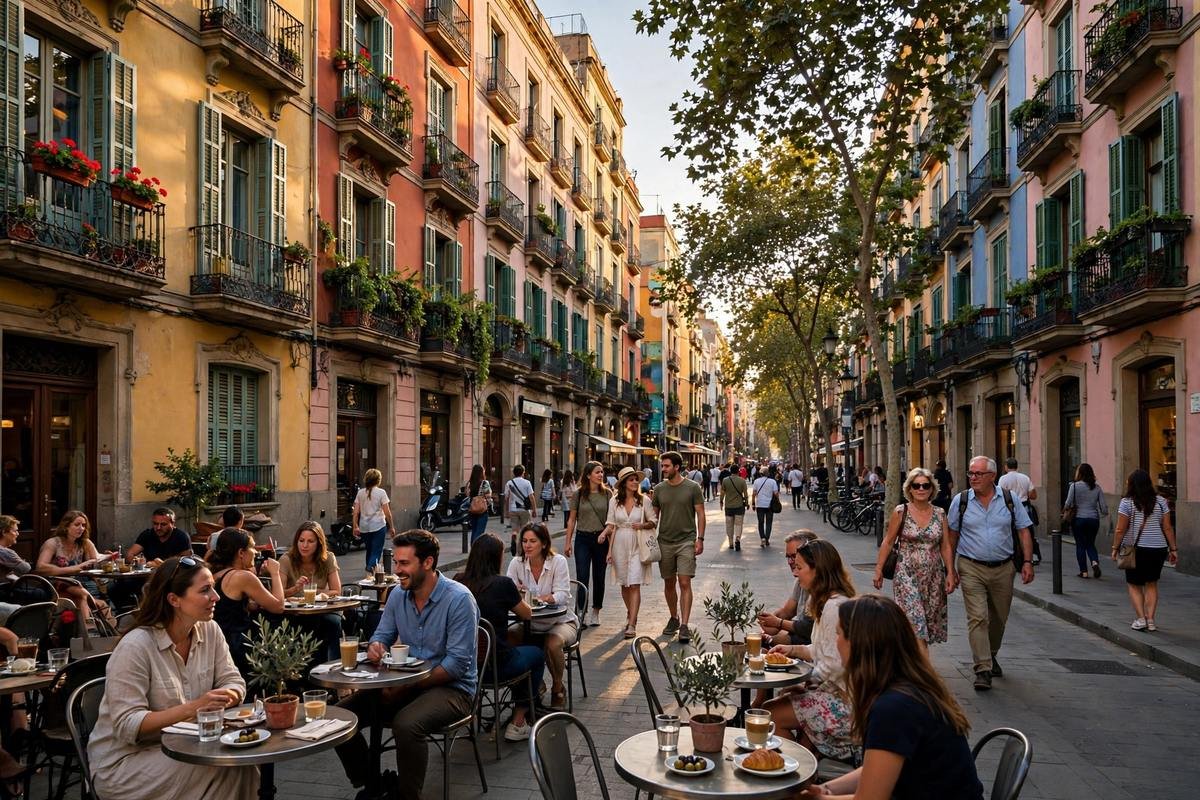
Your main destination decides which country you apply to. The European Commission’s visa guidance says you apply to the country where you will spend the longest time. If the stays are equal, you apply to the first country you will visit. If your bookings show more nights in France than in Spain, the France Schengen visa guide is the route to follow.
Where you apply: the BLS centre that serves your area
Spain outsources UK visa intake to BLS International, which runs Spain visa centres in London, Manchester and Edinburgh. You complete the application form, book an appointment online and attend in person. BLS staff check the file, take your fingerprints and photo, and send everything to the consulate for a decision.
You cannot pick whichever centre has the earliest slot. The BLS London FAQ says applicants “must apply only at the application centre which serves your location”. Check which centre covers your postcode on the BLS site before you book, because a file lodged at the wrong centre can be turned away.
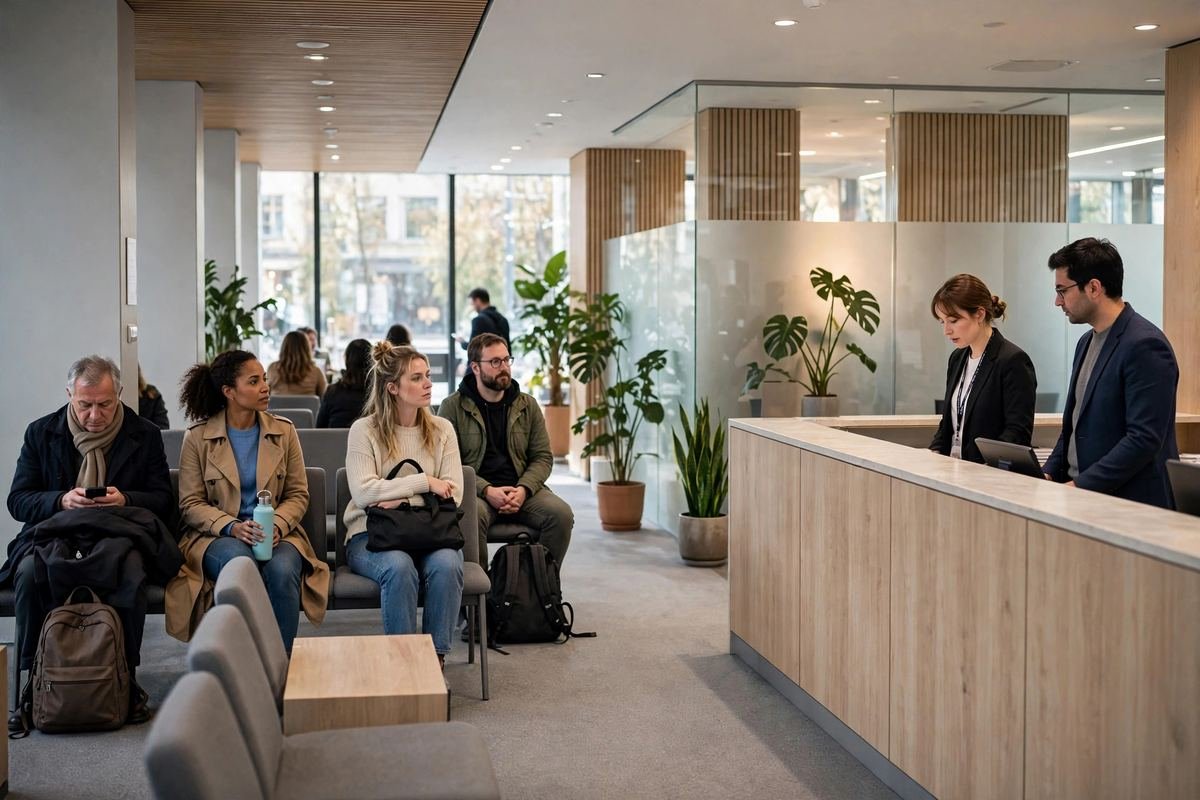
The same BLS FAQ states that passports are returned to applicants by courier only, so budget for the delivery charge when you book. If you gave fingerprints for a Schengen visa in the last 59 months, the EU Visa Code (Article 13) allows them to be reused. You should still expect to attend the appointment to hand in your file. For slot-hunting tactics, read how to book a Schengen visa appointment in the UK.
The Spain document checklist
Spain applies the Schengen Visa Code and then checks how well your documents fit together. Prepare each item below, and make sure names, dates and amounts match across the file.

- Passport. Issued in the last ten years, valid for at least three months after you leave the Schengen area, with two blank pages (EU Visa Code, Article 12).
- Proof of UK residence. Most applicants now show an eVisa, because physical residence permits have been replaced by digital status. Print your status and a fresh share code from GOV.UK’s eVisa service shortly before the appointment.
- Application form. Completed and signed, with answers that match your bookings, letters and statements.
- Photographs. Recent photos that meet Schengen biometric standards.
- Travel medical insurance. At least €30,000 of cover, valid in all Schengen states for the whole trip and including repatriation (EU Visa Code, Article 15). The travel insurance guide lists policy wording that consulates accept.
- Flight reservation. A reserved return itinerary. You do not need a paid ticket.
- Proof of accommodation. Hotel bookings for every night, or an invitation from a host in Spain. If you mix hotels and a host, the dates must join up with no gaps; the proof of accommodation guide shows what counts.
- Proof of funds. Recent bank statements, plus payslips if you are employed. The next section gives the amounts.
- Employment or study letter. On letterhead, confirming your role, approved leave and return date. Self-employed applicants add business registration and tax documents.
- Cover letter. One page covering the trip, who pays and your ties to the UK.
- Children under 18. The application form must be signed by a parent or legal guardian (EU Visa Code, Article 11). BLS may also ask for extra supporting documents for children, so check its current checklist when you book; the children’s Schengen visa guide explains the usual set.
Staying with family or friends in Spain
A host in Spain can support your accommodation with an official invitation letter (carta de invitación). The host requests it at their local police station under Order PRE/1283/2007. It proves accommodation only and does not replace the funds or insurance requirements. The Spanish National Police pages for foreign nationals explain the process. Allow time for the letter to be issued and posted to you, and read the invitation letter guide for what it must contain.
How much money Spain expects you to show
Spain sets its funds requirement in Order PRE/1282/2007. You must show 10% of the Spanish gross minimum wage (SMI) per person per day, and at least 90% of the SMI in total, however short the stay.
The SMI for 2026 is €1,221 a month under Royal Decree 126/2026. That gives €122.10 per person per day and a minimum of €1,098.90 per person. The EU’s 2026 update of border reference amounts, published in the EU Official Journal and indexed on boe.es, lists the same two figures. Guides that quote €100 a day are using the 2022 reference amounts, when the minimum wage was lower.
As a worked example, a couple on a ten-day trip needs at least €2,442 (2 people × 10 days × €122.10). The money should also look genuinely theirs. Statements with regular income, ordinary spending and a stable balance read better than one large deposit just before the application. If a relative sent money for the trip, say so in your cover letter and show the transfer.
A sponsor can cover your costs instead. Their part of the file must include their own ID, residence proof and bank statements, not just a letter.
Fees and timelines
| Item | Amount or time | Source |
|---|---|---|
| Visa fee, adults | €90 | European Commission |
| Visa fee, children aged 6 to 11 | €45 | European Commission |
| Visa fee, children under 6 | Free | EU Visa Code |
| BLS service and courier fees | Charged on top, set by BLS | BLS |
| Earliest application | 6 months before travel | European Commission |
| Latest application | 15 days before travel | European Commission |
| Normal decision time | Up to 15 calendar days | European Commission |
| Extended decision time | Up to 45 days | European Commission |
Fees and time limits come from the European Commission’s visa guidance and the EU Visa Code. BLS shows its current service and courier charges during online booking. The consular fee and the BLS fees are not refunded if the visa is refused.
Book as early as the six-month window allows, and keep paid bookings refundable until the visa is in your passport. Leave at least four to six weeks between the appointment and your departure. If the consulate asks for more documents, reply quickly and send exactly what was requested, with a short note listing each item.
Do not lodge a second application with another country while the Spanish one is pending. If your travel date passes before a decision, withdraw and reapply for new dates.
Common reasons Spanish applications are refused
Spain refuses for the same core reasons as other Schengen states. These gaps are the ones to check before your appointment:
- Missing nights of accommodation. A hotel booking for five nights of an eight-night trip leaves three nights unexplained.
- Funds that do not match the trip. A balance below €122.10 a day, or one that cannot cover the itinerary, invites refusal.
- Weak ties to the UK. A job with approved leave, a tenancy, family here or a course in progress shows you will return.
- Wrong main destination. If your bookings show more nights elsewhere, the application belongs with that country.
- Unexplained history. Address any previous refusal or overstay in the cover letter, with dates and evidence of changed circumstances.
If you have already been refused, the refusal reasons guide explains how to read the letter and reapply.
Spain visa FAQs for UK residents
Do I need a Spain Schengen visa if I have indefinite leave to remain?
Yes, if your passport is from a visa-required country. Indefinite leave to remain is a UK residence status, not a travel document, so your passport decides whether you need a visa.
How long does a Spain visa take from the UK?
The consulate normally decides within 15 calendar days of receiving your file, extendable to 45 days. Add the appointment wait and courier return, and apply at least four to six weeks before travel.
Can I apply at the Spanish consulate in London instead of BLS?
No. Short-stay Schengen applications for Spain go through BLS International, at the centre that serves your area. The consulate makes the decision.
How much money do I need for a Spain visa from the UK?
Spain’s 2026 figure is €122.10 per person per day, with a minimum of €1,098.90 for any trip. Show statements with regular income and a balance that covers your real costs.
Can my family in Spain sponsor my trip?
Yes. A host can provide an official carta de invitación for accommodation. A sponsor can cover costs if they supply their own ID, residence proof and bank statements.
Get your Spain file checked before you book
Most refusals come from paperwork gaps rather than the trip itself: a missing night, a balance below Spain’s daily figure, or a letter that says too little. Tripzo offers a free document review before your BLS appointment, checking bookings night by night and funds against the 2026 figure. For other Spain services, see the Spain destination page.
Editorial Verification Guarantee
Every guide published on Tripzo is cross referenced against sovereign European consular policies, VFS Global protocols, and the official Schengen Borders Code. We update instructions regularly to protect UK applicants from avoidable administrative refusals.
About the Author: James

Direct Support Line
Have an urgent question regarding your upcoming appointment date or document validity?